
News: WoW Forever Dungeons & Raids Guide: Boss Mechanics, Strategies & New Content
Publish Date: 8th October 2026
Our website deals with WoW Classic+ Plus Gold. We offer gold for the new WoW expansion called Forever for sale, for all realms and due to the realmless nature called PvP (US) | PvE (US), RP (US) and Hardcore (US), alongside options for players looking to playable game accounts for WoW Classic+ or boost their level through the available powerleveling service on our website.
The article below explains the New Dungeons and Raid Instances in WoW Forever in 21 points, including links to sources for more information.
1. Explore the New Dungeons and Raids in WoW Forever
Dungeons and raids are at the heart of the World of Warcraft experience, bringing players together to overcome dangerous enemies, learn challenging boss mechanics, and earn valuable rewards. In WoW Forever, instance content offers players opportunities to test their characters, improve their teamwork, and discover new challenges beyond ordinary questing. Whether you prefer smaller dungeon groups or coordinated raid encounters, understanding how instances work can make every adventure more rewarding. New and updated content can also encourage players to revisit familiar areas with a fresh perspective. From learning encounter patterns to preparing the right equipment and consumables, successful groups combine preparation, communication, and adaptability. If you want to get more out of your next adventure, understanding the dungeon and raid experience is an excellent place to start.
More info: https://myanimelist.net/profile/wow-forever-gold
2. What Makes WoW Forever Instance Content Worth Exploring?
Instance content offers a different experience from open-world questing because players enter dedicated encounters designed around group coordination and combat objectives. Dungeons generally provide opportunities for smaller groups to develop their skills, while raids challenge larger teams to coordinate their actions against more demanding enemies. Each encounter can test different aspects of gameplay, including positioning, resource management, target selection, and awareness of dangerous abilities. For players who enjoy character progression, instances can also provide opportunities to acquire equipment and other rewards. The appeal goes beyond loot, however. Learning an encounter with friends, recovering from an unexpected mistake, and finally defeating a difficult boss are experiences that make group content memorable.
More info: https://wow-forever-gold.crevado.com/my-work/19987610
3. Understanding Dungeon Difficulty and Group Preparation
Before entering a dungeon, it is worth understanding the difficulty of the content and what your group needs to succeed. Different encounters place different demands on tanks, healers, and damage dealers. Some emphasize sustained damage and healing, while others require players to react quickly to hazards or defeat priority targets. Check your equipment, repair damaged items, and bring suitable consumables where appropriate. It is also helpful to understand the dungeon's general objectives and communicate any unfamiliar mechanics before the group begins. A well-prepared group does not need every player to know every detail in advance, but it benefits from clear expectations and a willingness to learn. Preparation reduces avoidable mistakes and allows everyone to focus on the encounter itself.
More info: https://justpaste.it/u/wowforevergold
4. Raid Encounters: Teamwork on a Larger Scale
Raids introduce a different level of coordination, often requiring players to manage several mechanics at the same time. A successful raid team needs more than individual damage output. Tanks must understand positioning and threat management, healers must anticipate incoming damage, and damage dealers must balance their rotations with encounter-specific responsibilities. Larger groups also need reliable communication so that players can react consistently to important events. Depending on the encounter, raid leaders may assign positions, define target priorities, or establish a clear order for handling mechanics. Players who prepare for their responsibilities before a raid begins can help the entire group perform more effectively. Patience is equally important, since progression often involves learning from failed attempts and refining the team's strategy.
More info: https://justpaste.it/dgqou
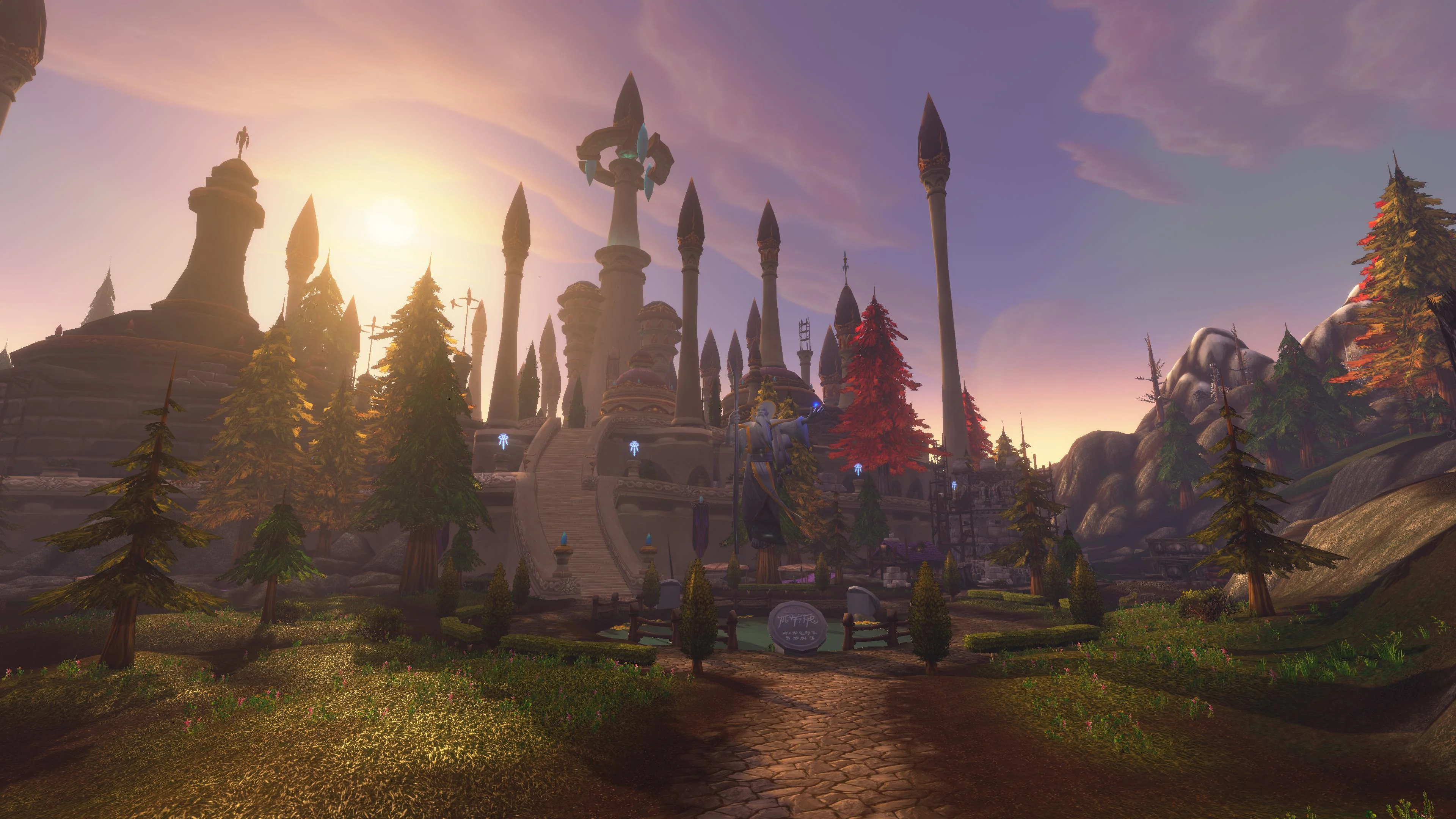
5. Boss Mechanics Explained: Learn Before You Fight
Boss mechanics are the abilities, patterns, and encounter rules that determine how a fight unfolds. Recognizing these mechanics is often just as important as having strong equipment. A boss may use attacks that require players to move away from danger, abilities that target specific group members, or phases that change the priorities of the encounter. Other fights may involve interrupting dangerous casts, switching targets, or coordinating defensive cooldowns. The key is to understand what each mechanic demands rather than reacting without a plan. When learning an unfamiliar boss, observe its behavior, listen to group instructions, and avoid repeating the same mistake after each attempt. Developing this awareness can improve performance across many different instances.
More info: https://penzu.com/public/e6eab4989e3ababb
6. Positioning and Movement: Avoiding Dangerous Attacks
Positioning is a fundamental part of many dungeon and raid encounters. Standing in the wrong location can expose a character to avoidable damage, interfere with other players, or make it harder for the group to respond to a mechanic. Players should pay attention to the boss's orientation, nearby hazards, and any instructions given by the raid leader. Ranged characters may need to maintain distance while remaining within healing range, whereas melee characters must balance safe positioning with their ability to attack. Movement should also be deliberate: moving too early or spreading out incorrectly can sometimes create new problems for the group. Learning when to stay together, when to spread out, and where to move is an essential skill for consistent encounter performance.
More info: https://telescope.ac/wow-forever-gold-for-sale/Available-for-beta-and-official-release
7. Tank Responsibilities During Boss Encounters
Tanks play a central role in group content by managing enemy attention, controlling positioning, and helping protect the rest of the party. During boss encounters, a tank may need to maintain threat, turn an enemy away from vulnerable players, or reposition the boss when the fight changes. Some encounters also require tanks to coordinate defensive cooldowns or work together when responsibility for an enemy changes. Good tanking involves understanding the encounter rather than simply absorbing damage. Communication is especially important when a mechanic affects the tank directly or requires another player to take over. Players learning to tank should become familiar with their defensive abilities, watch their surroundings, and communicate clearly with healers and the rest of the group.
More info: https://ameblo.jp/wow-forever-gold/entry-12980912822.html
8. Healing Strategies for Difficult Dungeons and Raids
Healers help keep a group functioning through predictable damage, unexpected mistakes, and demanding boss mechanics. Effective healing is not simply about casting the largest available heal whenever a player's health falls. It also involves understanding which damage can be anticipated, managing mana, choosing suitable targets, and coordinating cooldowns. During a difficult encounter, healers should pay attention to group positioning and recognize mechanics that could cause several players to take damage at once. Communication with tanks is particularly valuable when large incoming attacks require additional defensive support. Learning when to conserve resources and when to use powerful abilities can make a substantial difference over a long encounter. A coordinated healing team gives the entire group more room to recover from mistakes.
More info: https://ameblo.jp/wow-forever-gold/entry-12980912822.html
9. Damage Dealers: Rotations, Target Priority, and Awareness
Damage dealers contribute by defeating enemies efficiently while responding to the mechanics that keep the group alive. A strong damage rotation is useful, but encounter awareness remains essential. Players may need to interrupt a dangerous ability, switch to a priority target, stop attacking temporarily, or move away from a hazardous area. Focusing exclusively on damage numbers can cause players to overlook responsibilities that are critical to the encounter. Understanding when to use burst cooldowns can also improve results, particularly when a boss has a vulnerable phase or the group must defeat an enemy before a deadline. The most effective damage dealers combine consistent output with reliable execution, helping the team progress without creating unnecessary risks.
More info: https://wowforevergold.overblog.fr/2026/10/l-aube-du-classic-ce-que-world-of-warcraft-forever-signifie-pour-l-avenir-d-azeroth.html
10. Interrupts, Crowd Control, and Priority Targets
Some encounters become significantly harder when dangerous enemy abilities are allowed to complete. Interrupts can stop eligible spell casts, while crowd-control abilities may help manage enemies when the encounter permits their use. Target priority is equally important. A group may need to defeat a dangerous supporting enemy before focusing on the main boss, or interrupt a particular ability to prevent avoidable damage. These decisions depend on the encounter, so players should not assume that every enemy can be controlled or every cast can be interrupted. Coordinating responsibilities before combat helps prevent several players from using the same ability unnecessarily while another important cast goes unchecked. Clear assignments and good awareness can make complex encounters easier to manage.
More info: https://freewebmarks.com/user/B7azsrQFi8fJ
11. Understanding Boss Phases and Changing Encounter Patterns
Many memorable boss fights are structured around different phases. An encounter may begin with a relatively straightforward set of abilities before introducing additional hazards, new enemies, or different priorities. Some bosses change their behavior at particular health thresholds, while others respond to timers or specific actions taken by the group. Recognizing these transitions allows players to prepare for what comes next rather than reacting after a mechanic has already started. Raid leaders can help by explaining the expected sequence and identifying important moments for defensive cooldowns or burst damage. When learning a new encounter, focus on understanding the current phase and the signals that announce a change. This makes complex fights easier to learn one step at a time.
More info: https://freewebmarks.com/story/wow-forever-gold-3
12. Adds and Multi-Target Encounters
Additional enemies, commonly called adds, can change the priorities of a boss encounter. Some must be defeated quickly because they threaten the group, while others may need to be controlled, interrupted, or positioned away from the main fight. In certain encounters, ignoring adds can allow their numbers or abilities to overwhelm the group. However, switching targets without a clear plan can also reduce damage on the boss and prolong the fight. The correct approach depends on the enemies' abilities and the encounter's objectives. Tanks should understand which enemies require control, damage dealers should know the priority order, and healers should anticipate any additional incoming damage. Coordinated target management can turn a chaotic fight into a more predictable encounter.
More info: https://www.storeboard.com/wowforevergold
13. Gear, Enchants, and Consumables Before an Instance
Preparation begins before the first enemy is engaged. Check that your equipment is suitable for the content, repair damaged items, and consider whether available enchants or other improvements fit your character's role. Depending on the encounter and the rules of the game version, consumables may provide useful bonuses to damage, healing, survivability, or other attributes. Make sure you understand which items are available and appropriate for your character rather than assuming that the most expensive option is always the best. It is also sensible to bring enough supplies for a series of attempts, especially when learning difficult content. Good preparation cannot replace mechanical skill, but it helps players contribute consistently and reduces interruptions during group activities.
More info: https://www.storeboard.com/wowforevergold/posts
14. Understanding Loot, Rewards, and Character Progression
Dungeon and raid rewards are an important part of character progression. Depending on the content, players may receive equipment, crafting materials, currency, or other useful items. However, reward systems and item availability can differ between versions, so it is important to understand the rules of the specific instance you are playing. Before a group begins, establish how loot will be handled and whether any special arrangements apply. This helps prevent misunderstandings when a desirable item appears. Players should also consider whether an upgrade improves their actual performance, rather than judging an item solely by its overall level or rarity. Over time, learning which rewards support your role can make gearing decisions more effective.
More info: https://www.brownbook.net/business/55578900/wow-forever-gold
15. Group Composition: Building a Balanced Party
A well-organized group combines the roles and abilities needed to handle the challenges of an instance. Tanks help control enemies, healers sustain the group, and damage dealers contribute to defeating targets. Beyond these core responsibilities, individual classes may bring interrupts, defensive support, crowd control, or other useful abilities. The ideal composition depends on the instance, its difficulty, and the capabilities of the players involved. A group should not assume that one fixed setup is best for every encounter. Instead, consider what the content demands and whether the team has the tools to respond to its major mechanics. Clear communication can compensate for many differences in experience, helping players coordinate their strengths and approach unfamiliar challenges together.
More info: https://sites.google.com/view/wowforevergold
16. Communication and Raid Leadership
Communication becomes increasingly valuable as encounters grow more complex. A clear raid leader can explain positioning, assign interrupts, identify priority targets, and coordinate important cooldowns. Short, specific instructions are often easier to follow during combat than lengthy explanations delivered at the last moment. Players can also help the group by reporting important information, asking questions when mechanics are unclear, and acknowledging mistakes without blaming others. Before a difficult boss, take a moment to agree on the strategy and confirm that everyone understands their responsibilities. After an unsuccessful attempt, discuss what happened and identify one or two improvements for the next pull. A respectful, organized group is better positioned to learn difficult content and maintain a positive atmosphere.
More info: https://wowforevergold.neocities.org/
17. Common Dungeon and Raid Mistakes to Avoid
Many failed encounters are caused by a collection of small mistakes rather than a single major problem. Players may overlook a ground effect, attack the wrong target, use a key cooldown too early, or move in a way that makes healing more difficult. Groups can also struggle when players begin an encounter without understanding their assignments. To improve, focus on the mechanics that cause the greatest problems and change your approach on the next attempt. Avoid standing in avoidable hazards, pay attention to boss animations and warnings, and communicate when an ability needs to be handled. Not every mistake can be prevented, particularly while learning unfamiliar content, but a willingness to adapt helps groups progress more consistently.
More info: https://wowforevergold.yourwebsitespace.com/
18. Learning New Encounters Through Practice
The first attempt at an unfamiliar boss is often about learning rather than achieving a perfect result. Players need time to recognize attack patterns, understand phase transitions, and discover how mechanics interact with their chosen role. After each attempt, review what happened and identify the main cause of failure. Was the group positioned incorrectly? Did a dangerous cast go uninterrupted? Were defensive cooldowns available when the most damage occurred? Answering these questions gives the next attempt a clear purpose. Avoid changing the entire strategy after every mistake, since consistent practice makes it easier to identify what actually works. Progression is often the result of several small improvements that gradually turn a difficult encounter into a manageable one.
More info: https://wow-forever-gold.pagexl.com/
19. Preparing for New and Updated WoW Forever Content
When new or updated instance content becomes available, players should distinguish confirmed information from speculation. Encounter tuning, item rewards, difficulty settings, and mechanics may change as a game develops. Before planning a progression run, consult current patch notes, available in-game information, and reliable community resources. If you are entering an unfamiliar dungeon, avoid assuming that an older guide describes every detail of the current version. Groups can prepare by reviewing their roles, checking equipment, and agreeing on a communication plan while remaining flexible enough to adapt to unexpected mechanics. This approach is particularly useful for players who want to explore new content early without relying on outdated information or unverified claims.
More info: https://archive.org/details/wow-forever-gold
20. Finding Groups and Building a Reliable Dungeon Team
Finding the right group can make a significant difference to your instance experience. Some players prefer spontaneous dungeon groups, while others enjoy progressing with a regular guild or a consistent group of friends. Whichever approach you choose, clear expectations help everyone work toward the same goal. Let the group know if you are learning the encounter, ask about unfamiliar mechanics, and be prepared to listen to instructions. For progression-focused raids, reliability and communication can be just as important as equipment. A group that learns together can develop shared strategies and improve over time. Building good relationships with other players also makes it easier to organize future runs and enjoy more of the game's challenging content.
More info: https://bastyon.com/wowforevergold999
21. Master WoW Forever Dungeons and Raids: Your Next Adventure Awaits
Dungeons and raids offer some of the most engaging challenges in World of Warcraft: Forever, combining character progression with teamwork, strategy, and the satisfaction of overcoming difficult encounters. Understanding boss mechanics, preparing suitable equipment, learning your role, and communicating effectively can all help you become a more dependable group member. Whether you are exploring an instance for the first time or working toward a difficult raid victory, approach each encounter with patience and a willingness to learn. Check current information before tackling new content, adapt your strategy when necessary, and remember that consistent teamwork often matters more than individual performance alone. With preparation and practice, every dungeon run can become an opportunity to improve your skills and enjoy the adventure.
More info: https://www.inkitt.com/wowforevergold1
Navigate:
Return to our main WoW Forever Gold page
Return to our main News Section
Return to our Home page
Browse our partner website
Contact Information
Servers:
Kronos 5 |
WoW Forever (WoW Classic Plus) |
ChromieCraft |
Gilneas (Whitemane) |
Frostmourne 2026 (Whitemane) |
NostrumWoW |
Project Epoch |
Kezan |
Gurubashi |
Sirus Neverest x3 |
Sirus Soulseeker x1 |
Sirus x5
Y'Shaarj (OctoWoW) |
N'Zoth (OctoWoW) |
C'Thun (OctoWoW) |
Capybara Paradise Eversong Woods |
TBC Classic Anniversary:
Spineshatter |
Soulseeker |
Thunderstrike |
Nightslayer |
Dreamscythe |
About | Sell Gold | Privacy Policy | Refund Policy | News | Sitemap | Instagram

© 2015-2026 Gold4Kronos by KronosGold.net All Rights Reserved.